Image Source: https://www.ces.tech/explore-ces/maps-and-locations/
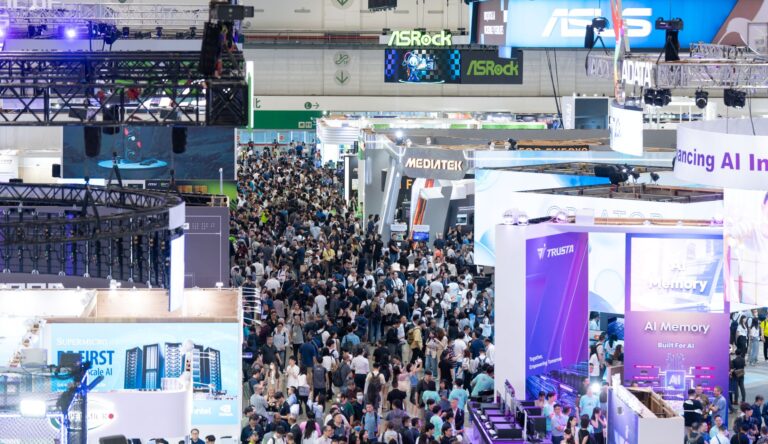
From January 6th to 9th, the International Consumer Electronics Show (CES 2026), the “wind vane” of the global technology industry, grandly opened in Las Vegas. Global tech enterprises have taken to the stage not only to showcase cutting-edge technical achievements and release heavyweight innovations but also to treat CES as a premier opportunity to boost brand exposure and expand global influence.
Against the backdrop of this grand event, the Influence Matters China Team provides a deep dive into the key trends for this year. It examines how the Chinese tech and media ecosystem focuses on differentiated stories that stand out, serving as a playbook for companies looking to gain attention in China from an international show.
Four Core Insights: Decoding the Tech Trends of CES 2026!
The Massive Presence of Chinese Manufacturers Driven by iterative innovation and local supply chain advantages, Chinese companies have become a dominant force in global smart hardware. Of the approximately 4,000 exhibitors at CES 2026, 915 were Chinese companies—a count second only to the United States. This influence is felt across specific sectors; in the vacuum robot market, brands like Roborock and Ecovacs now dominate global shipments. Furthermore, China’s leadership in robotics is undeniable, with over 58% of humanoid robot exhibitors, such as Unitree and Agibot, presenting the latest in interactive physical AI.
Universal Penetration of AI Applications The fervor surrounding Artificial Intelligence continues to grow, evolving from abstract concepts into multi-scenario implementations. Whether through Edge AI, Generative AI, or Agentic AI, the technology is now moving toward “Physical AI” that interacts with the real world. The CTA (Consumer Technology Association) noted that while AI has been a recurring theme for years, it has become “impossible to ignore” in 2026 as it penetrates every layer of consumer tech.
The Explosion of AI Glasses Newcomers AI glasses emerged as a major focal point this year, featuring 55 dedicated exhibitors. Notable debuts included the Rokid Style, the gaming-focused ROG Xreal R1 (a collaboration with ASUS), and Alibaba’s Quark AI Glasses S1. This surge indicates that the industry is betting on wearable AI as the next major hardware frontier, with veteran players and newcomers alike racing to define the category.
The Emergence of Product Differentiation The AI glasses track is moving away from homogeneous competition toward unique value propositions. Innovations like the INMO GO3—the industry’s first glasses supporting real-time two-way translation—and the world’s first modular full-color AR glasses show a shift toward customization. Meanwhile, Rokid focused on a “tech-invisible” seamless experience, and the BleeqUp Ranger targeted the niche outdoor sports market, proving that specialized utility is now more valuable than generic specs.
CES Communication Strategy: A Narrative Breakthrough for AI Glasses
1. Proactive Communication: Seizing the Initiative
For global events like CES, Chinese media—including 36Kr, TMTPost, and EqualOcean—actively cover emerging tech. However, reporters face heavy workloads and often prioritize established partners or industry leaders. To secure high-quality coverage, companies must book interview slots and finalize communication plans well in advance.
2. Precise Planning: Building a Three-Stage System
To maximize “presence,” companies must manage a full-cycle communication rhythm: Pre-show (media warm-ups and news releases), During the show (media day promotions, executive interviews, and booth visits), and Post-show (follow-up reports and social media recaps). Strategies must be tailored; some media prefer live-streamed interviews in dedicated studios, while others prefer immersive on-site product demos.
3. Content is King: Differentiated Storytelling to Solve Global Pain Points
On an international stage like CES, planning is only the starting point; true competitiveness lies in a brand’s ability to present a unique narrative and create differentiated content within the global market. For Chinese AI glasses enterprises, storytelling needs to transcend the simple concept of “going global” and focus on providing unique value. In the global market, hardware specs are no longer the primary path to standing out; audiences care more about how a brand uses technology to solve actual dilemmas.
Therefore, successful B2B storytelling should position the brand as a “solution” to industry problems. For instance, facing product homogenization, the ROG Xreal R1 (a collaboration between XREAL and ASUS) did not attempt to be an “all-in-one” device; instead, it targeted the hardcore e-gaming scenario, using immersive experiences to communicate professional performance. This shift from a “feature list” to “who we are solving problems for” captures industry attention more effectively.
Furthermore, differentiated narratives must strike at pain points and demonstrate forward-thinking vision. As the industry explores how to integrate AI hardware into daily life, Rokid’s pursuit of “tech-invisibility” and modular designs responds directly to the demand for lightweight, upgradable devices. Similarly, by positioning the INMO GO3 as a “universal tool” for real-time translation, the brand turns technology into a bridge for human connection. This empathy-based narrative helps Chinese brands build a professional image with international credibility.
4. Long-term Operation: Converting Heat into Brand Assets
Global events like CES, MWC, or Embedded World are golden windows for communication, but brand building is not a one-time effort. Consistent output through regular media contact and social media activity is essential to ensure long-term reach and customer recognition.
Summary
For overseas companies, the Chinese market offers vast scale and a vibrant smart manufacturing ecosystem featuring leaders like BOE and Luxshare Precision. To succeed here, companies must move away from “parameter piling” and instead use a systematic media strategy rooted in deep local insight. Innovations that solve the actual pain points of customers remain the most powerful brand language.