In 2026, the “China Speed” phenomenon has forced a technological convergence, especially in the NEV sector. What were once distant laboratory concepts are now standard requirements for production models. For global suppliers, success depends on solving the specific engineering bottlenecks in these three categories.
As a leading B2B tech communication agency in China and APAC, Influence Matters has witnessed the Chinese market bloom, and our auto experts analyze through market research and media insights to discovered 3 key areas.
Source: 36Kr
1. Solid-Liquid Hybrid Batteries: The Commercial Watershed
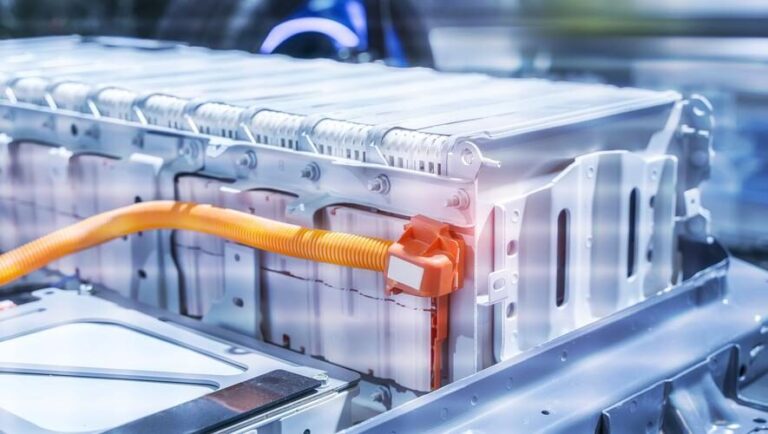
We have entered a critical window for the commercialization of solid-liquid hybrid batteries. By early 2026, this technology is reaching a 100,000-vehicle market scale. While the industry’s all-solid-state batteries is projected for small-scale production by 2027, the hybrid solid-liquid variant is the dominant technical pathway for current mass production.
Chinese OEMs such as SAIC, NIO, and Mercedes-Benz have already begun equipping premium models with these packs. The 2026 industry standard for high-end EVs now aims for energy densities between 300–400 Wh/kg, supporting driving ranges of 800 to 1,000 kilometers. Furthermore, breakthroughs in charging speed allow these vehicles to replenish 400 km of range in just 10 minutes, making them highly competitive against legacy internal combustion models.
2. L3 Autonomous Driving: From Pilot to Public Roads
2026 marks the year L3 conditional autonomous driving officially transitions from closed testing grounds to public traffic. In early 2026, the Ministry of Industry and Information Technology (MIIT) granted the first batch of market-access permits for L3 models, with brands like Changan and BAIC’s Arcfox leading limited public use in cities like Beijing and Chongqing.
- Unified Technical Solutions: The industry has moved beyond “feature stacking” toward a consensus on three technical aspects:
- Multi-Sensor Fusion: High-performance hardware configurations have become mainstream.
- Computing Power: On-vehicle platforms are converging at the 1,000–1,500 TOPS range to handle data-intensive “Urban NOA” (Navigation on Autopilot).
- End-to-End Models: Algorithm paradigms are shifting toward Large Language Models (LLMs) and Vision-Language-Action (VLA) models to achieve more “human-like” driving behavior.
3. Intelligent Cockpits: The Era of the AI Agent
The intelligent cockpit has become the primary differentiator for Chinese consumers, who now demand a smart device on wheels that anticipates their needs. 2026 is the mass production year for end-to-end ai agents. These systems move the user experience from passive response to proactive intelligence.
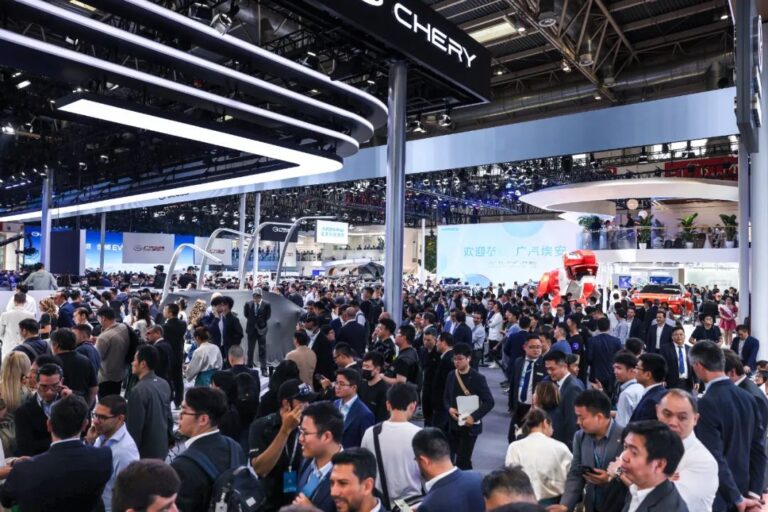
At CES 2026, Geely Auto Group unveiled its Full-Domain AI 2.0 architecture, utilizing a multi-agent framework to remove barriers between functional areas. Similarly, Chery has committed to full inclusion of its Lingxi Smart Cockpit across its brand lineup in early 2026. These agents integrate vehicle control with service ecosystems—identifying passengers via multimodal biometrics to recommend personalized meal sets or identifying parking QR codes to automate the entire payment cycle via secure AI interfaces.
What Chinese Users Expect from AI Agent?
- Proactive Control: Integrates vehicle systems and ecosystems to deliver personalized, intelligent control. It optimizes energy and inference efficiency while supporting seamless voice, gesture, and touch inputs.
- Secure Payment: Automates the full payment cycle by linking cockpit hardware with the Alipay ecosystem. The agent identifies parking QR codes via vehicle cameras and completes transactions through a secure conversational interface.
- Personalized Ordering: Uses biometric sensors to identify passengers and load individual profiles. By syncing with partners like McDonald’s, it proactively suggests customized deals via natural voice interaction.
Navigating the 2026 NEV Frontier with Influence Matters
The rapid evolution of 2026 confirms that China remains the global epicenter for automotive innovation. As solid-state breakthroughs, L3 autonomy, and AI-driven cockpits redefine the driving experience, the ability to communicate technical excellence has never been more vital. Success in this sector requires a partner who understands the intricate engineering behind the NEV revolution and the commercial momentum of the APAC region.
Influence Matters is a premier B2B tech communications agency dedicated to elevating automotive and hardware leaders. We specialize in transforming complex technical roadmaps into high-impact market influence. By combining deep industry research with local media expertise, we help our clients lead the conversation in the world’s most sophisticated auto market.
Our experts empower your brand to:
- Articulate Technical Leadership: Clearly define your role in the NEV supply chain, from battery chemistry to high-performance computing.
- Engage the Ecosystem: Build strong connections with OEMs, Tier-1 suppliers, and tech partners through targeted B2B strategies.
- Drive Market Growth: Navigate the China landscape with agile communications that keep your brand at the forefront of the smart mobility era.
Download the full 2026 Edition of our NEV eBook here to start building your “Golden Circle” of influence.