Milano-Cortina 2026 is the first truly data-native Winter Olympics, where the physical challenges of the Dolomites meet the invisible efficiency of the cloud.
The 2026 Winter Olympics are taking place across northern Italy, signifying a fundamental shift in how global mega-events are delivered. On the tech side, Milano-Cortina 2026 is the first truly data-native Winter Olympics, where the physical challenges of the Dolomites meet the invisible efficiency of the cloud.
For global B2B tech suppliers and sponsors to the event, these games are not just a sporting event. They are a massive opportunity to demonstrate of how leadership is built through technological integration and cross-border cooperation. And for the communication teams of Asian tech suppliers, success depends on the ability to bridge Asian innovation with Western markets through clear, strategic, localized communication.
The Asian Digital Application in the West
The technological backbone of Milano-Cortina 2026 is largely defined by Asian conglomerates that have moved far beyond the role of simple equipment providers. These companies are now the lead architects of the digital nervous system required to manage a geographically dispersed event.
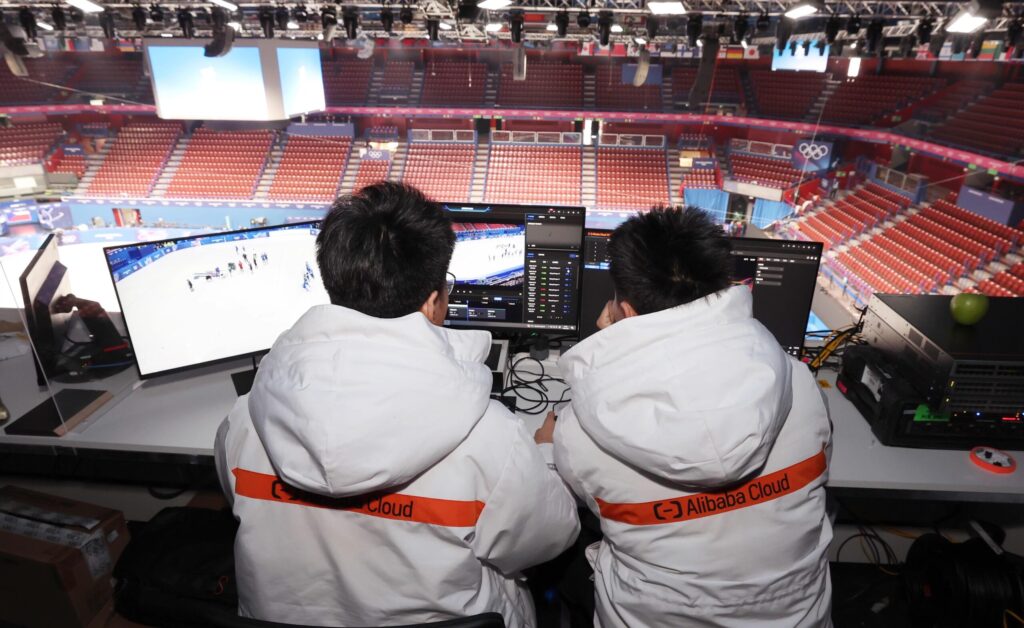
Alibaba Cloud, the Official Cloud Services Partner, has effectively transitioned the event from a Cloud Olympics to an Intelligent Olympics. Central to this is the Qwen Large Language Model (LLM), which powers the first comprehensive use of generative AI in Olympic history.
One of the most impactful B2B applications is the Automatic Media Description (AMD) system. This technology identifies athletes and key moments in real time, generating event descriptions and tagging video assets in seconds. For media organizations, this reduces manual logging requirements by up to 90%, allowing for the near-instant distribution of content to global audiences. Additionally, their upgraded Real-Time 360-degree Replay system enables three-dimensional reconstructions of competition moments in 15 to 20 seconds, a speed that supports live broadcast use across 17 different sports.
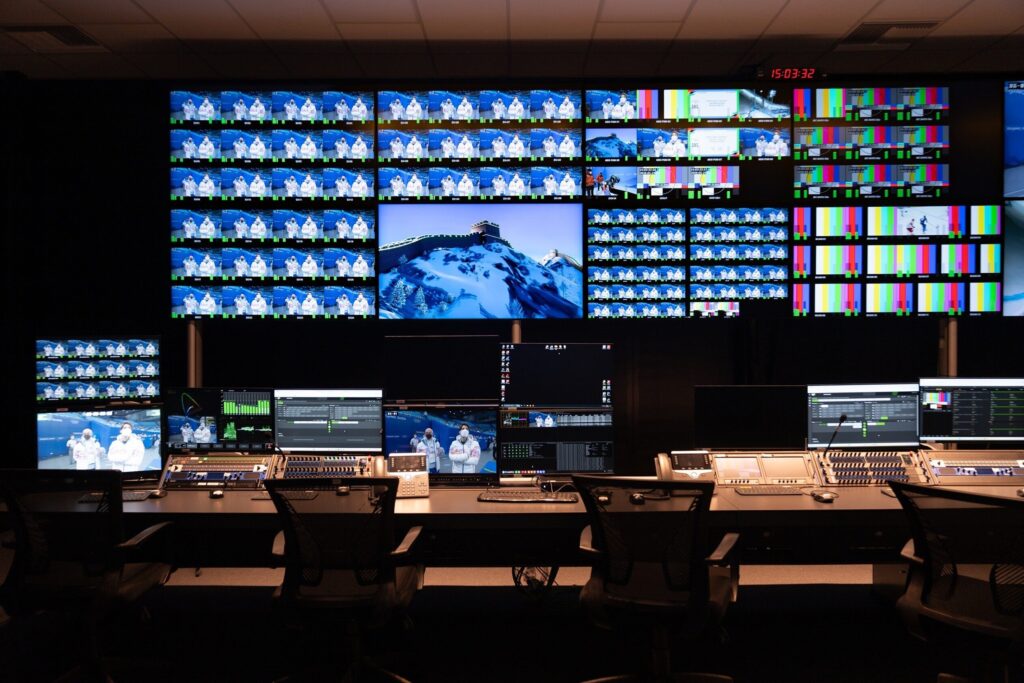
TCL has cemented its position as a worldwide Olympic partner by providing the screen universe that connects fans to the action. Their contribution includes hundreds of high-definition displays and digital signage for the International Broadcast Centre (IBC) and major competition venues.
Beyond displays, TCL is showcasing a model for sustainable infrastructure. The TCL Edelweiss Land showcase in Milan utilizes high-efficiency N-type TOPCon solar modules that maintain performance even under partial shading, a necessity in mountainous terrain. In the Olympic Villages, TCL smart home appliances, such as air conditioners providing whisper-quiet 16dB filtered air, ensure athlete comfort and recovery. These applications demonstrate a shift toward integrated lifestyle and energy solutions that serve as a blueprint for smart city developments.
Other Asian leaders are adding critical layers to this infrastructure:
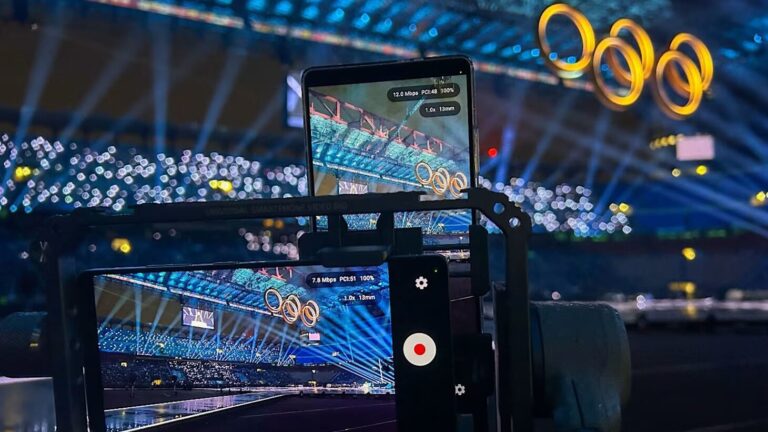
Samsung Electronics: By embedding Galaxy S25 Ultra devices into the Opening Ceremony and deploying Galaxy AI (Interpreter) for volunteers, Samsung has proven the reliability of 5G for professional-grade, wireless video transmission.
Gausium Robotics: In partnership with local Italian distributors, Gausium has deployed autonomous cleaning robots at Milan Malpensa and Linate airports, showcasing a scalable model for Robotics-as-a-Service (RaaS) in high-traffic travel hubs.
Midea Group (Clivet): Providing advanced HVAC solutions for the Milano Santa Giulia Ice Hockey Arena, supporting high-capacity environmental control for 16,000 spectators.
The B2B Opportunity in Global Cooperation
For global B2B companies, the massive presence of Asian technology in Europe represents a significant opportunity for synergy rather than competition. The challenge for 2026 and beyond is to move from exporting excellence to co-creating relevance.
The sports industry is shifting from linear hierarchies to multi-stakeholder ecosystems. Strategic success no longer depends on owning data, but on governing it together. Western firms have a unique opportunity to provide the data governance frameworks that many international federations currently lack. Research indicates that while 90% of federations prioritize high performance, only 45% have a clear strategy for data governance. Companies that can provide secure, compliant middleware to bridge Asian hardware with European regulatory standards will find themselves in high demand.
The Role of Strategic B2B Communication
In a market as complex as the Olympics, flawless expertise visibility is the most valuable currency. Cooperation between Asian giants and Western enterprises requires a shared narrative that aligns with regional priorities like sustainability and inclusion. This is where strategic B2B communication becomes essential. To build trust with local stakeholders, Western partners must demonstrate their expertise and localize their messaging in the local market.
The legacy of Milano-Cortina 2026 will not be found in the stadiums alone, but in the enduring partnerships and digital systems left behind. For B2B technology companies, strategic storytelling is the bridge between a complex technical product and a trusted industry partnership. As the global sports-tech market prepares for a 9.7 billion dollar investment in AI by late 2026, the brands that win will be those that master the art of cross-border influence.
As a leading communication agency with years of experience in bridging the West and Asia, Influence Matters is dedicated to helping international B2B tech companies navigate these complexities. By identifying the most relevant stakeholders and crafting narratives that resonate across borders, we ensure that your technology leads. In a world where connection defines success, making your influence undeniable is the ultimate competitive advantage.
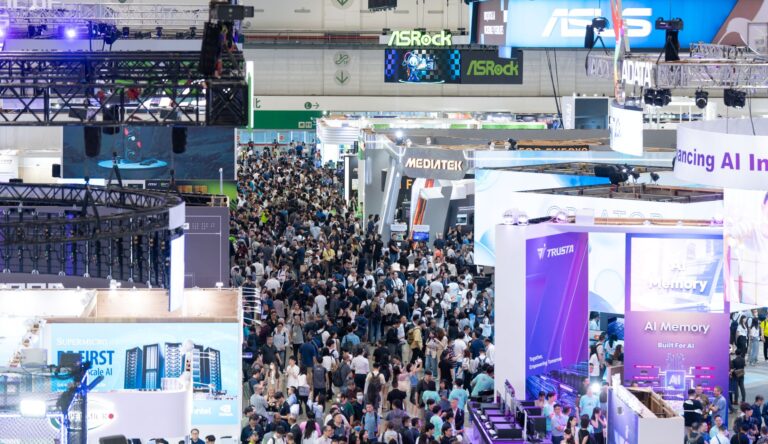
At COMPUTEX, where AI integration and high-performance computing dominate the highlights, your operational precision reflects your technical reliability.
While many brands book floor space based on tradition, the most successful leaders map their presence to the specific layer of the supply chain that drives their regional growth.